One contract. One team. Design and pricing happening in the same room instead of one after the other. This is not a marketing word for us. It is the reason our budgets hold.

The traditional path looks reasonable on paper. You hire an architect. The architect designs your house. The finished drawings go out to two or three builders. You compare the bids and pick one.
What actually happens is that the bids come back well over what you expected, because nobody priced anything until the design was already finished. Now you are paying to redraw a house you already paid to draw, cutting things you wanted, under time pressure, against a budget that has already absorbed months of design fees.
Then construction begins and you have two companies under two contracts. When something in the field does not match the drawings, the architect calls it a construction issue and the builder calls it a design issue, and you are standing in the middle of your own house acting as the referee.
Design-build removes both problems. Design, estimating, and construction sit inside one company under one contract. Every design decision gets priced as it is made, so the budget conversation happens continuously rather than once, at the worst possible moment. And when something goes wrong, exactly one company is responsible for fixing it.
Six functions that most projects split across three or four companies.
Before design, before contracts. We look at your lot or your existing house, test what is achievable, and produce a conceptual budget you can make a real decision against. Some projects should not proceed as imagined, and finding that out in week two costs almost nothing.
Floor plans, elevations, and construction documents developed by our own design team. Our designers work beside our estimators, which means the cost of a decision is visible at the moment it gets made rather than three months later.
Your budget is a living document throughout design, not a number handed to you at the end. Each round of drawings gets priced. When something runs over, you learn about it while there is still time to solve it cheaply.
Finishes, fixtures, cabinetry, and materials, all coordinated against the construction schedule so nothing stalls waiting on a decision. Bring your own designer if you have one and we will work alongside them.
Louisville, Lafayette, Superior, Boulder, Erie, and unincorporated Boulder County, plus the energy and wildfire codes layered on top of each. We manage the submittals, the corrections, and the inspections.
One superintendent, one schedule, one point of contact. The same company that drew your house builds it, warranties it, and answers the phone two years later.
We produce a preliminary scope and budget based on your site and what you want to build. It costs you a conversation and gives you a real number to decide against. If the project does not work, you have lost nothing.
Design proceeds under its own agreement, priced separately from construction. You are buying design work. If you reach the end of it and decide not to build with us, you own the drawings. We think you should have that exit.
With the design resolved and the budget tested against it, we sign a construction agreement. You know what you are getting and what it costs before you commit to building it. That sequence is the entire point of the model.
Construction with the same team, against the budget you approved. Change orders happen when you change something or when the house reveals something. They get priced and documented before any work proceeds.
In the traditional model your architect works for you and reviews the builder's pricing. In design-build, the designer and the builder are the same company. That is a real loss of oversight and we are not going to pretend otherwise. We answer it with open-book pricing: line-item budgets, allowances set at real numbers, and subcontractor bids you can look at.
You are not putting a finished design in front of three builders and taking the best number. What you get instead is a budget built alongside the design, tested continuously, and visible to you the whole way. Our clients trade bid competition for cost certainty. That is the actual bargain, and it should be made deliberately rather than by accident.
You are choosing a company before there are drawings to evaluate. That is exactly why we keep design and construction as separate agreements. Complete the design, look at the number, and if it is not right, leave with the plans in hand.
Colorado law permits people who are not licensed architects to design single-family dwellings, and most custom homes in this state are drawn by residential designers rather than architects. Ours are designers. Structural work is engineered and stamped. If your project calls for a licensed architect, or you already have one you want to keep, we work with them and the rest of the model stays exactly the same.
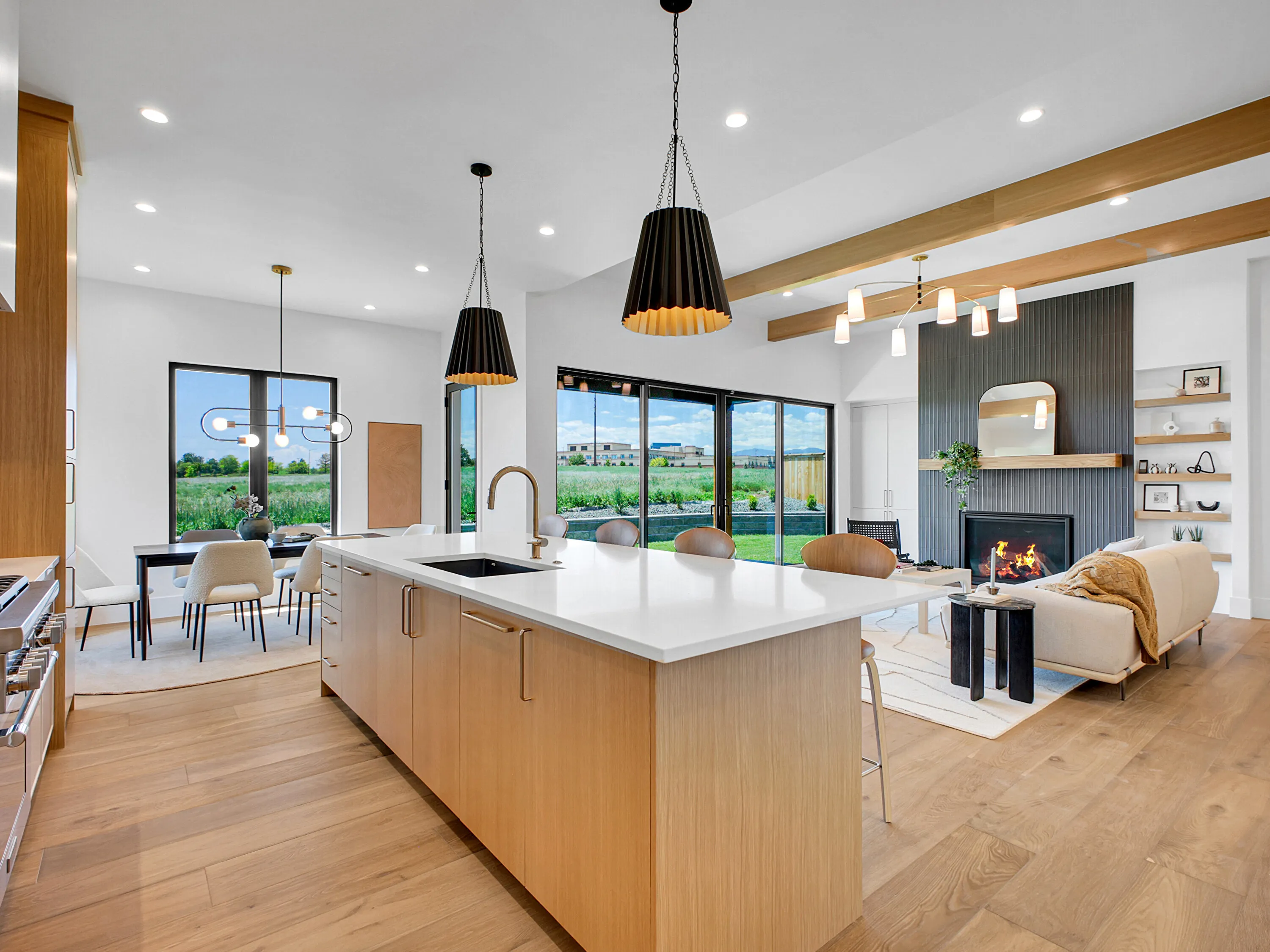
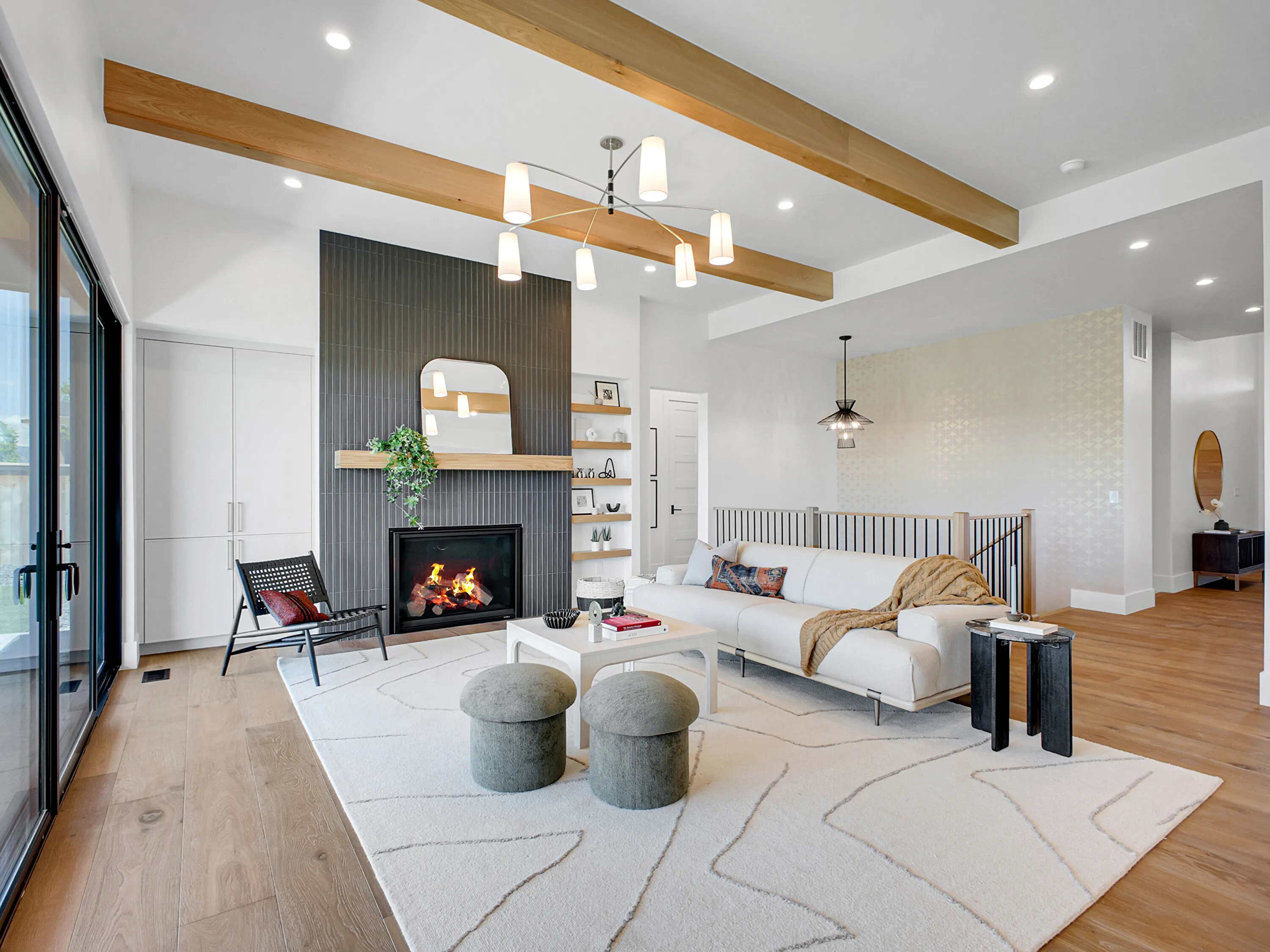
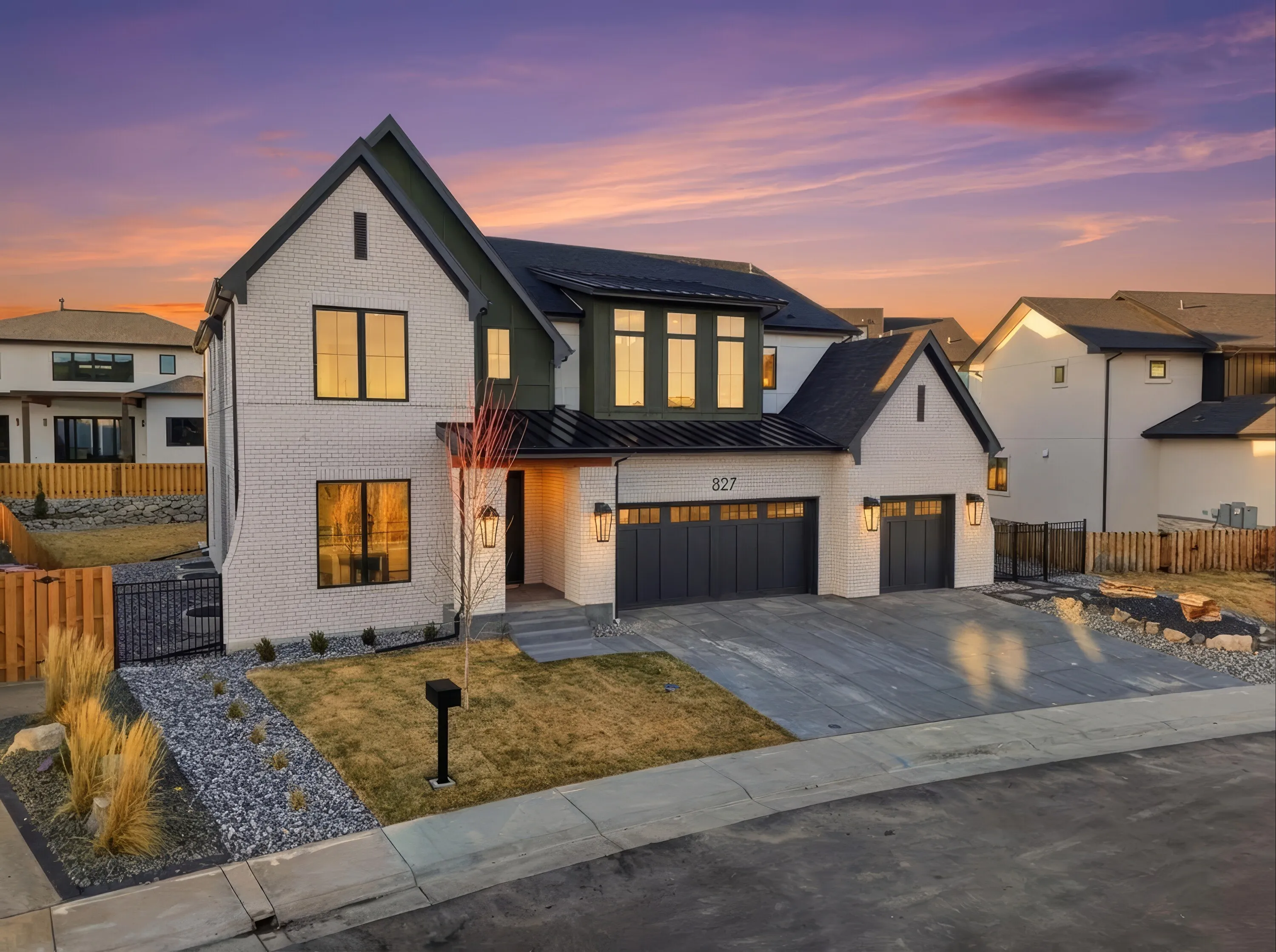
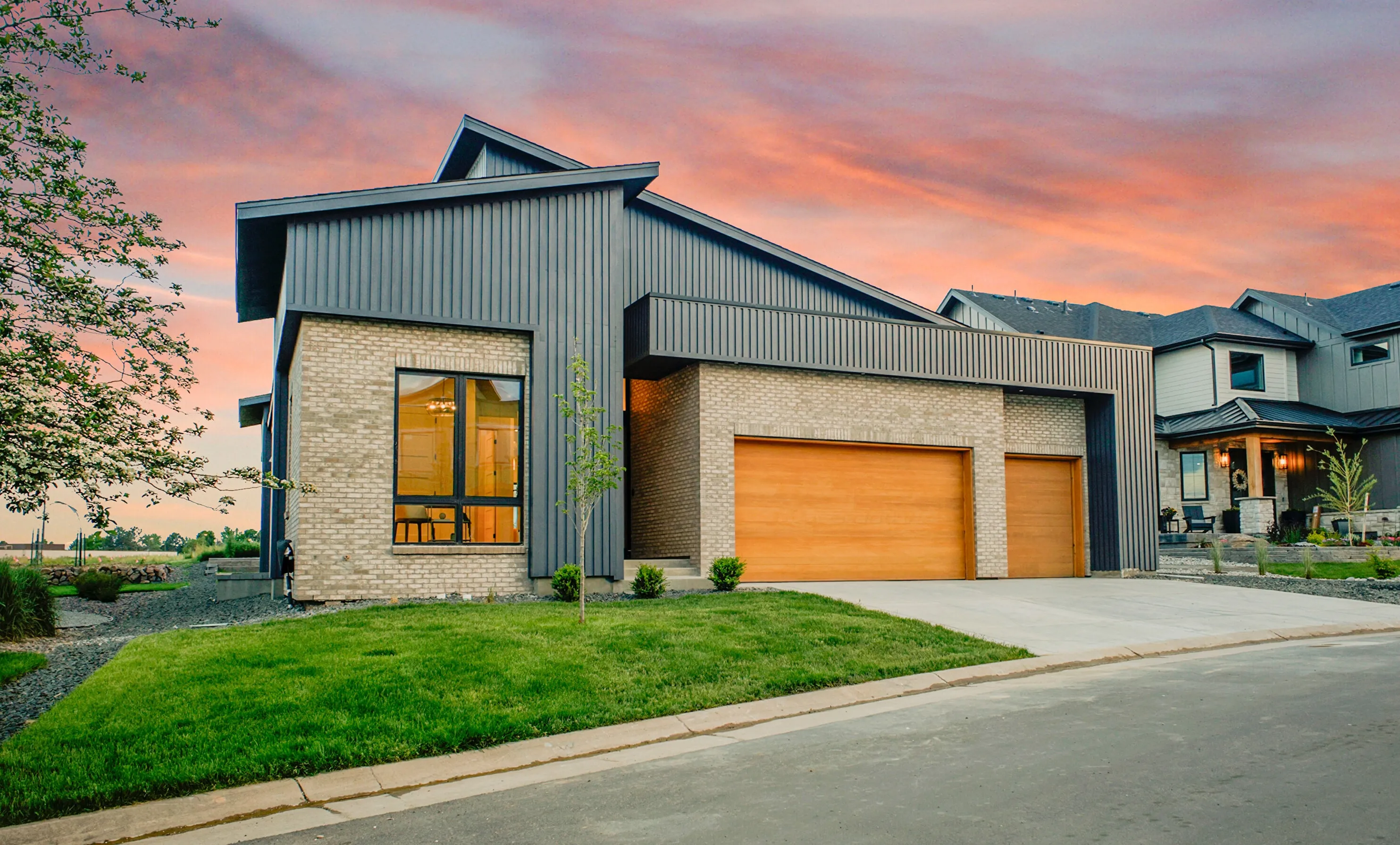
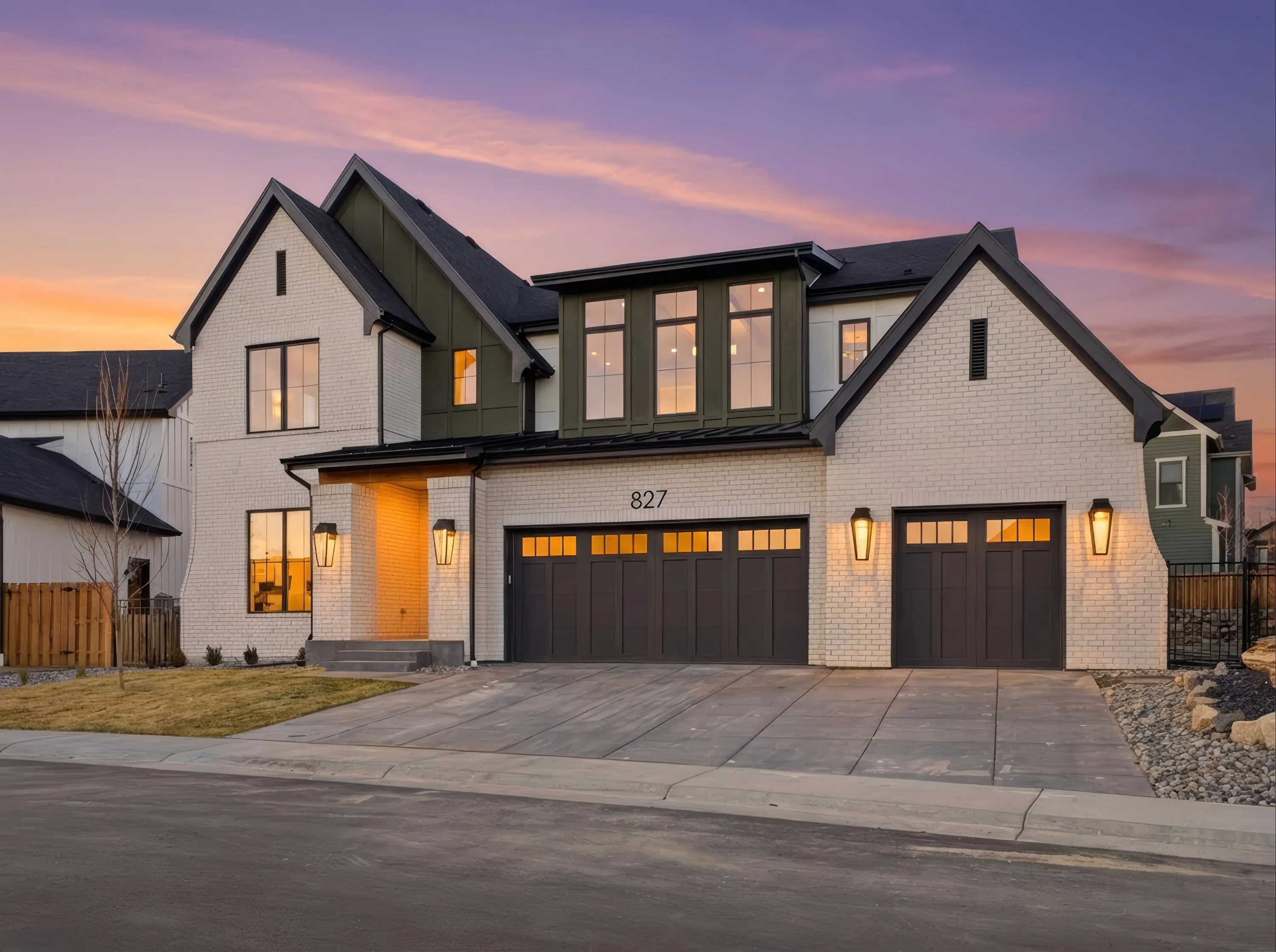
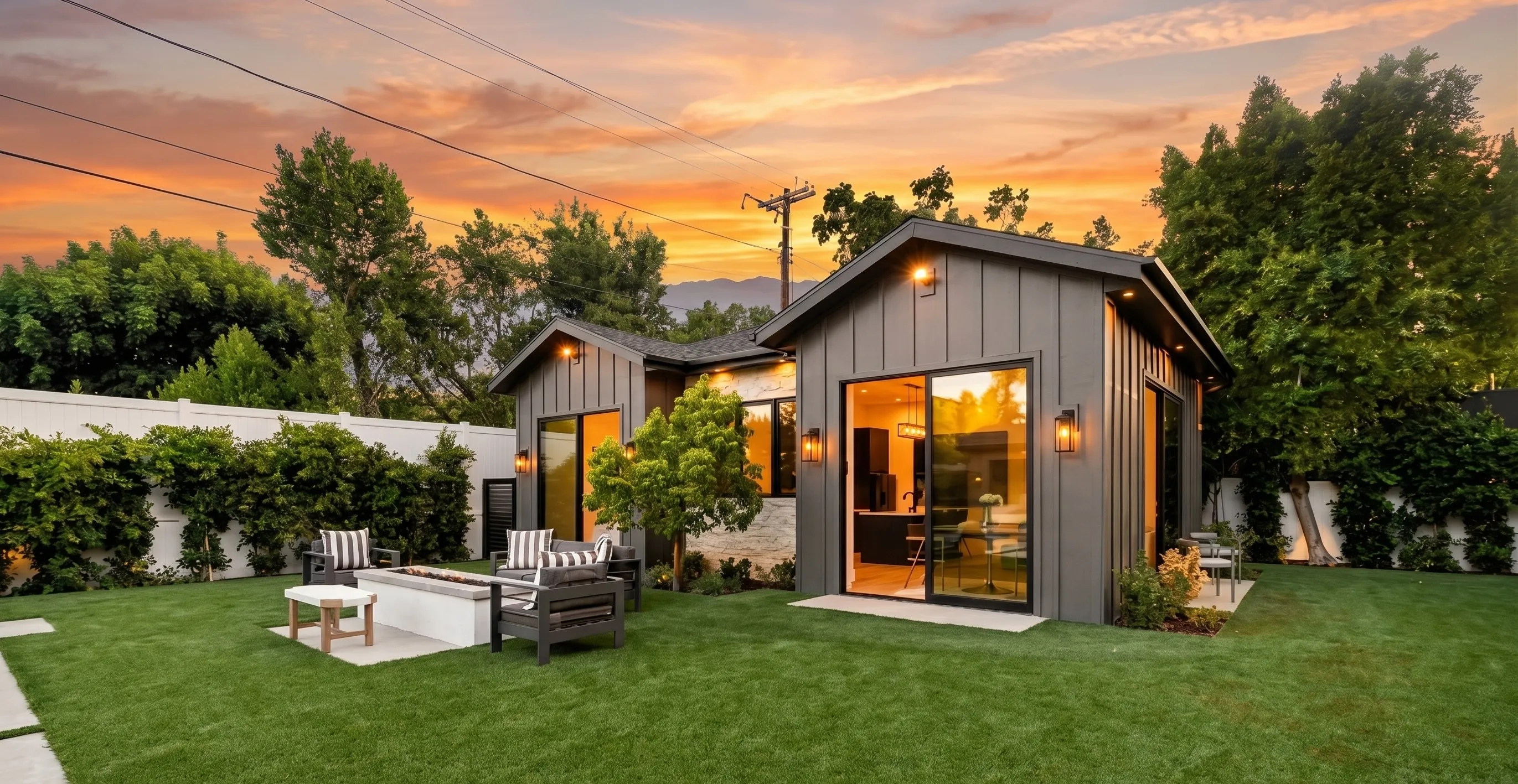
A look at recent Wood Brothers homes across Boulder County.
From new custom builds to fire-resistant rebuilds, our in-house design-build team handles every stage of your project, start to finish.
What does it cost to build a custom home in Boulder County?


How long does a custom home take?
Do I need to own land before I contact you?
What does design-build actually mean?
Can I bring my own architect or designer?
Where do you build?
I am working with a realtor. How does that work?

.webp)
.webp)
.webp)